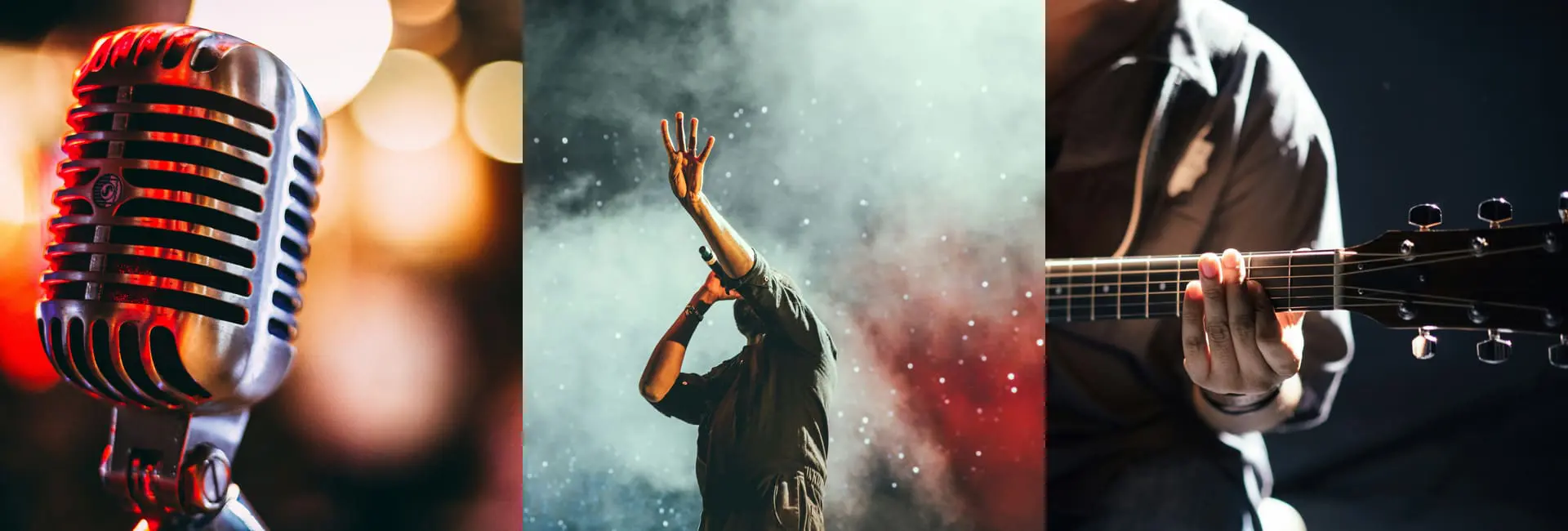
For such a small place, the sheer range of music Puerto Rico has produced is startling, and for visitors, that means live music is never more than a plaza away. For the new resident, it means a cultural calendar that never truly ends. And for the investor, it signals a creative economy with real export power, anchored by festivals, venues, recording talent, and a diaspora audience of tens of millions.
This Caribbean island of roughly 3.2 million people has shaped the rhythmic vocabulary of the entire hemisphere, from Afro-Caribbean drum circles held on the sand to the top of global streaming charts. Explore the six genres below, then plan your trip to experience this musical culture and dig deeper through the Instituto de Cultura Puertorriqueña.
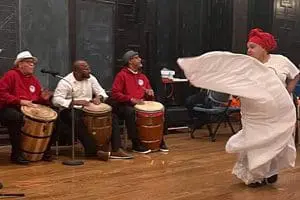 Bomba: The island’s oldest Afro-Puerto Rican music and dance form, born more than three centuries ago among enslaved and free Black communities on colonial-era sugar plantations. Bomba inverts the usual hierarchy of performance: the dancer leads and the lead drummer follows, answering each gesture in a live conversation of hips, skirts, and barrel drums. It is call and response made physical, and it remains a living act of cultural memory rather than a museum piece. The coastal town of Loíza is its spiritual home base, and its annual patron-saint festivities are among the most powerful places on the island to witness the tradition unbroken.
Plena: A narrative street music built on guitar, hand drums called panderos, and sharp everyday storytelling, plena emerged in the early twentieth century around Ponce, the grand southern city. Long nicknamed “the sung newspaper,” it carried news, gossip, protest, and social commentary from block to block before radio ever reached the working class. Today plena still surfaces at parades, protests, and holiday parrandas, proof that a headline set to a pandero travels faster than ink.
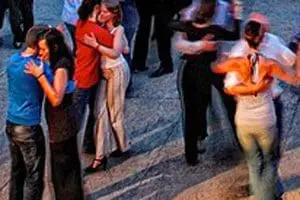 Salsa: Though salsa crystallized in the Puerto Rican diaspora of New York City during the 1960s and 1970s, its rhythmic DNA is deeply Puerto Rican, drawing on the island’s son, plena, and bomba roots. Icons including Tito Puente, Héctor Lavoe, and the enduring El Gran Combo de Puerto Rico carried it worldwide, and San Juan remains one of the genre’s great live performance capitals. Any night out in the capital can turn into a dance lesson.
Danza: A refined, European-influenced ballroom form, danza became the sound of nineteenth-century Puerto Rican high society and, quietly, of early nationalist sentiment. Its most celebrated composer, Juan Morel Campos, elevated the genre into concert art, while “La Borinqueña,” the island’s anthem, shares danza’s elegant lineage. For expats drawn to the island’s classical and heritage scene, danza is the bridge between salon culture and national identity.
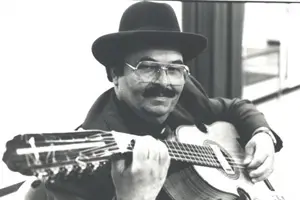 Décima: A ten-line improvised poetic song form with Spanish roots, the décima is the island’s oral wit made competitive. Sung by trovadores over the plucked cuatro, Puerto Rico’s national string instrument, it thrives at rural festivals, Christmas gatherings, and formal improvisation contests where singers spar in real time. It is the closest the island comes to freestyle centuries before the term existed.
 Reggaetón: Born in Puerto Rico in the 1990s from a fusion of Jamaican dancehall, Panamanian reggae en español, and hip-hop, reggaetón grew from underground mixtapes into one of the most commercially dominant genres on the planet. Its global ambassador today is Bad Bunny, whose record-setting streaming numbers and stadium tours have turned island slang and Boricua pride into worldwide currency. For investors, reggaetón is the clearest evidence that Puerto Rico is not only a market but an exporter of culture, intellectual property, and tourism demand, drawing fans to the very neighborhoods where the sound was made.
See Notable Puerto Ricans for the artists behind these genres, and Festivals & Events to catch live performances.