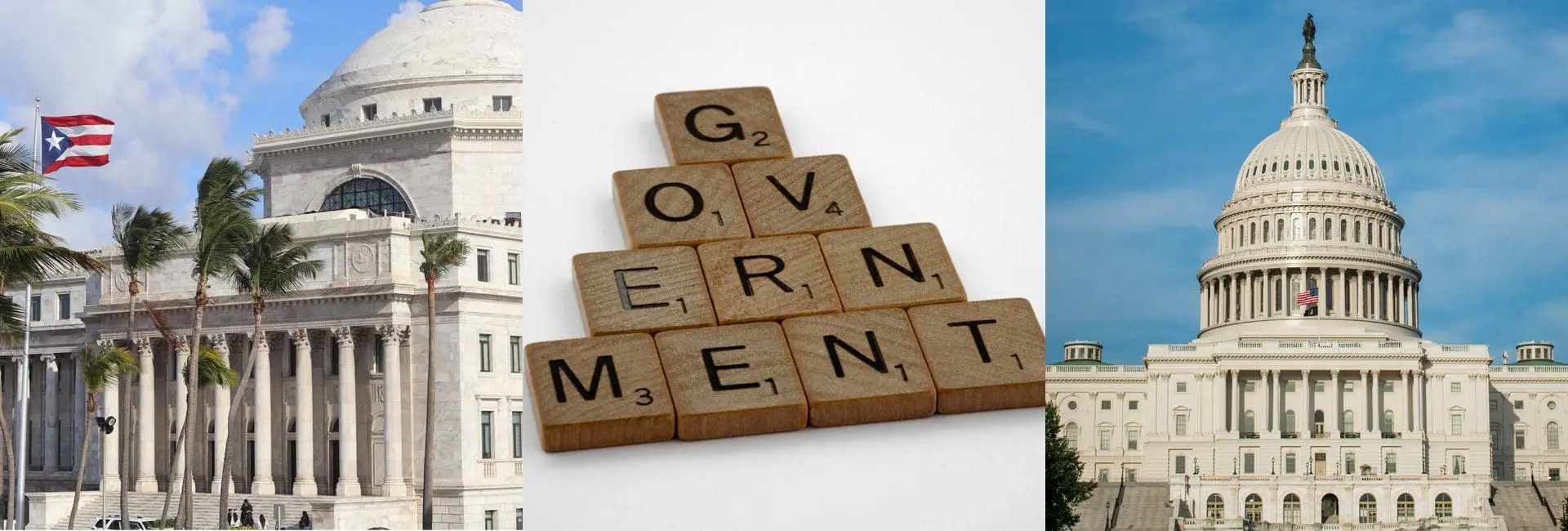
Puerto Rico has been self-governing under its own constitution since 1952, with an elected governor and legislature — but without full sovereignty, a structure that shapes everything from taxes to disaster response and remains politically contested today.
Commonwealth Structure
Puerto Rico is technically an unincorporated U.S. territory operating under commonwealth (Estado Libre Asociado) status since 1952, with its own constitution, an elected governor, and a bicameral legislature (Senate and House of Representatives). Residents are U.S. citizens by birth but cannot vote in U.S. presidential elections and have no voting representation in Congress – only a non-voting Resident Commissioner in the House.
Municipal Government
Each of the 78 municipalities elects its own mayor and municipal legislature, with meaningful control over local services, permitting, and – relevant to Airbnb and short-term rental regulation – local zoning and registration rules.
Federal Fiscal Oversight
Since 2016, a federally appointed Financial Oversight and Management Board (created by the PROMESA law) has supervised Puerto Rico’s budget and debt restructuring following the island’s default – an unusual arrangement that overlays elected local government with federal financial control. See Economy for the crisis that led to it.
The Status Debate
Whether Puerto Rico should remain a commonwealth, become the 51st U.S. state, or pursue independence remains a genuinely unresolved and actively debated question on the island, with real economic and cultural stakes on every side – read 5 Perspectives on Act 60 for how this status debate intersects with the island’s current tax-incentive and relocation policy.