Five Centuries in the Making, One Island Like No Other
Puerto Rico’s history spans more than 500 years, shaped by Taíno indigenous roots, Spanish colonization starting in 1493, and U.S. governance since 1898 — a blend that still defines the island’s culture today. And this this history matters to both tourists and investors.
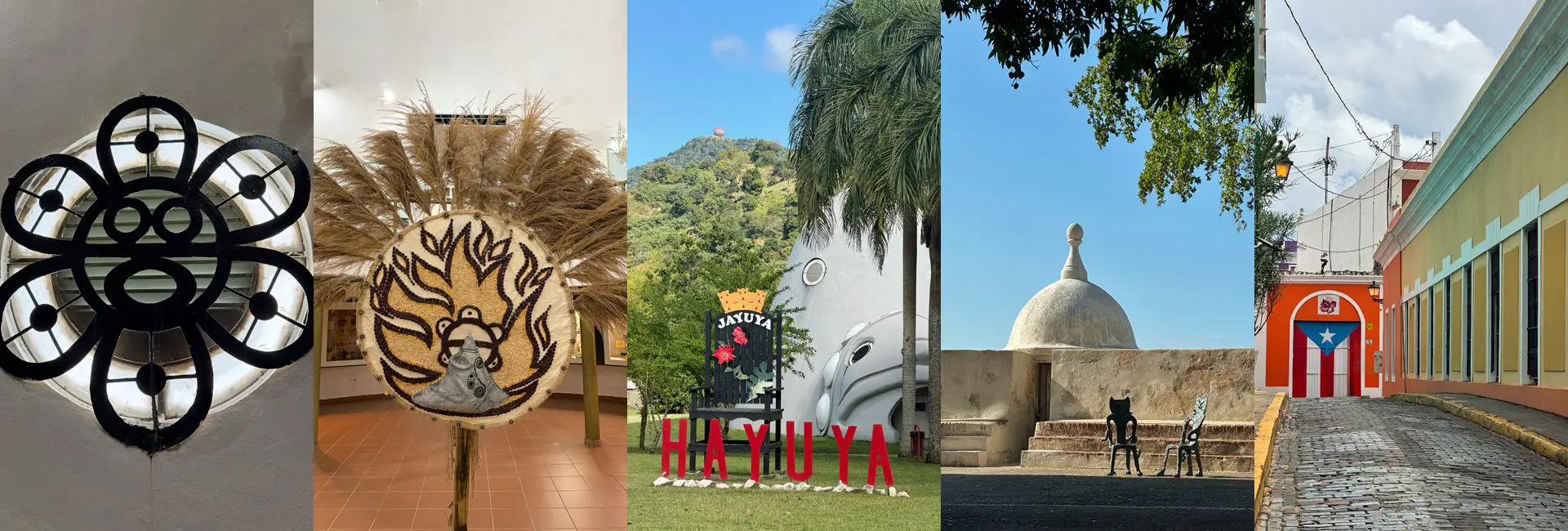
Long before Columbus, this island was called Borikén, “Land of the Valiant Lord,” home to the Taíno people. Modern DNA studies confirm what the old histories denied: the Taíno never truly vanished. They live on in the island’s blood, language, spirit, and in the name Puerto Ricans still proudly call themselves: Boricua. That is the first of three roots.
 The second arrived in 1493, when Spain claimed the island and held it for nearly four hundred years. Because San Juan was the front door to the New World, the Spanish fortified it in stone, and that stone still stands: El Morro and Castillo San Cristóbal, the largest Spanish fort in the Americas, anchor Old San Juan, a UNESCO World Heritage city of blue cobblestones and pastel townhouses. Spain also planted the Spanish language, Catholicism, and the town plan you still see everywhere: a central plaza facing a church.
The third root arrived in chains. Enslaved West Africans brought the drum-based music that still defines the island, bomba and plena, and the cooking techniques behind mofongo, the beloved national dish. Slavery was abolished here in 1873, and Afro Puerto Rican culture remains vibrant, especially in towns like Loíza.
Three roots, Taíno, Spanish, and West African, braided together over five hundred years into something distinct from all of them.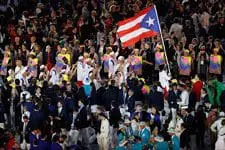
In 1898, Spain ceded the island to the United States. Puerto Ricans became U.S. citizens in 1917, adopted their own constitution in 1952, and today hold a status that is genuinely dual: fully American (although without voting privileges), and fiercely their own. They use the dollar and U.S. law, yet compete at the Olympics as “Puerto Rico,” not “USA.”
Why This History Matters to You
For the traveler, Puerto Rico offers the full richness of a distinct Latin Caribbean nation with the ease of U.S. systems: no passport for U.S. citizens, no currency exchange, no roaming surprises. A single day can carry you from a five-hundred-year-old fortress to the world’s brightest bioluminescent bay, from a plate of mofongo to a live bomba performance, with El Yunque, the only tropical rainforest in the U.S. Forest system, in between.
For the investor, that same history built a rare environment: a U.S. jurisdiction with its own distinct tax system, a bilingual and highly educated workforce that bridges the U.S. and the wider Spanish speaking Americas, and a strategic location that has made the island a global hub for pharmaceuticals and medical devices. (Incentive programs carry real conditions and change over time, so consult a qualified Puerto Rico based professional before deciding.)
This history directly shapes the culture, music, and the process of living and working in Puerto Rico – read those next for how it plays out today.