Puerto Rican literature is defined by one central tension: writers wrestling with island identity while living inside a U.S. political framework — from the nationalist poets of the Generación del 30 to today’s Nuyorican and diaspora writers.
Generación del 30
 A foundational group of essayists and novelists writing in the wake of the 1898 U.S. transfer, wrestling directly with questions of Puerto Rican identity and status, Antonio S. Pedreira’s Insularismo (1934) remains a touchstone.
Julia de Burgos
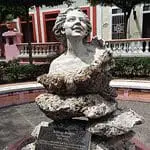 Puerto Rico’s most revered poet, whose work fused personal, feminist, and nationalist themes; she remains a cultural icon on both the island and in the diaspora.
Nuyorican Literature
 A distinct literary movement from the New York Puerto Rican diaspora – writers like Pedro Pietri and the Nuyorican Poets Cafe scene captured bilingual, bicultural identity in a way island-based literature didn’t.
Contemporary Boricua Writers
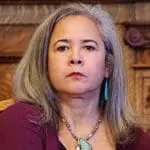 Authors like Esmeralda Santiago (When I Was Puerto Rican) continue to write the island and its diaspora into wider literary conversation, often in English, Spanish, or both.