 David
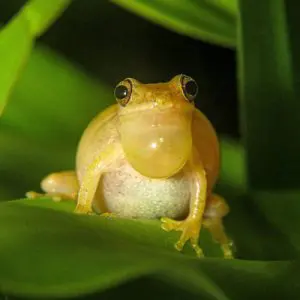 When you land in Puerto Rico, the Taíno are already part of the landscape. You see it in the coquí frog that sings at night, the word “hurricane” that gets thrown around, the way locals talk about the land like it’s alive. The Taíno were the indigenous people of the Caribbean, and they shaped Puerto Rico so deeply that you can’t separate the island from its Taíno roots. They’re not just history: they’re a national icon that lives in the present.
The Taíno people arrived in Puerto Rico around 1200 BCE and built a sophisticated society over centuries. They weren’t a monolithic group. They were organized into chiefdoms, each led by a cacique, a leader who managed everything from agriculture to spiritual practices. They had a complex social structure, traded across islands, and understood the Caribbean in ways that allowed them to survive in this environment. When Columbus arrived in 1492, there were somewhere between 30,000 and 60,000 Taíno living on the island. The disease, violence, and forced labor that followed nearly wiped them out completely.
But here’s the thing: they didn’t disappear. Their DNA remains in Puerto Ricans today. Their language lives on in everyday words. Their symbols became embedded in how Puerto Ricans see themselves.
The Tools and Symbols That Define a Culture
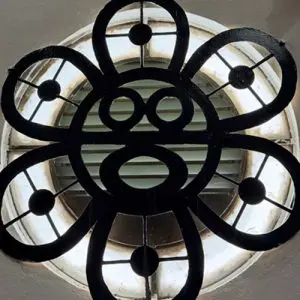 The Taíno word hamaca became “hammock” in English. Canoa became “canoe.” Huracán became “hurricane.” These aren’t just vocabulary borrowed from a dead language. Every time someone uses these words in English, the Taíno language is still working, still present. For Puerto Ricans specifically, these words are connected to identity and heritage.
Look at the symbols: The coquí frog, with its distinctive two-note call, is the unofficial national symbol of Puerto Rico. It’s on car decals, in art, in stories. The Taíno had names for everything in their environment, and the coquí carried spiritual significance. Today, you can’t talk about Puerto Rican identity without talking about that small golden frog.
Conucos were the mounded, circular gardens that the Taíno used to grow yuca, cassava, and sweet potato. They were engineered to manage water and soil in ways that worked with the Caribbean climate. When you eat tostones or cassava bread in Puerto Rico, you’re eating foods prepared using methods the Taíno developed and perfected over centuries. That’s not nostalgia. That’s nutrition, agriculture, and cultural practice meeting in every meal.
The bohío, the traditional round house with a conical roof, influenced how Puerto Ricans built structures for generations. You still see echoes of this design in rural areas and in cultural reconstructions. It wasn’t just architecture: it was a way of thinking about living with the land rather than against it.
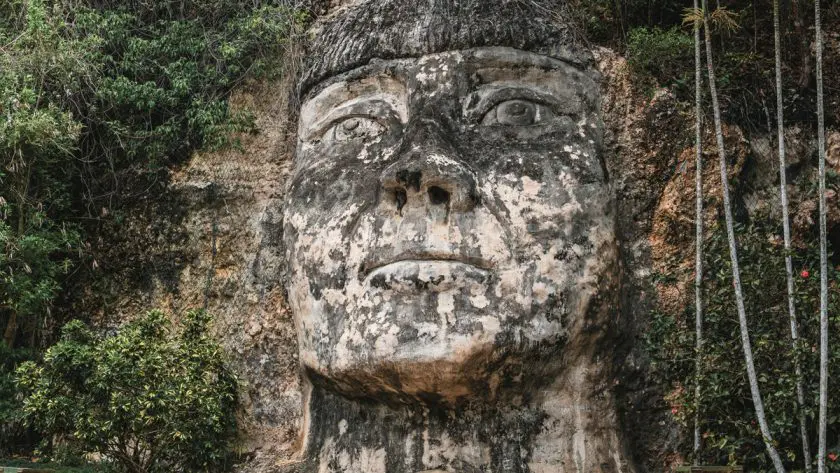
Petroglyphs carved into rocks by the Taíno still exist at sites across the island. These aren’t casual decorations. They carry spiritual meaning, tell stories about their cosmology, and remind us that the Taíno had systems of writing, communication, and artistic expression that were sophisticated and intentional. Looking at these petroglyphs isn’t archaeological tourism. It’s encountering a worldview that shaped an entire people.
History That Doesn’t Stay in the Past
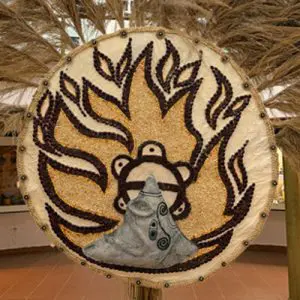 The conquest of Puerto Rico happened fast but the impact was catastrophic. Spanish colonization, forced labor, disease, and genocide decimated the Taíno population. By the 1600s, the distinct Taíno culture was officially considered extinct. But cultural extinction isn’t the same as biological extinction. Taíno people survived through mixed ancestry, cultural memory, and deliberate preservation efforts.
For centuries, the Taíno were treated as a historical footnote. Puerto Rican identity got tied to Spanish colonialism and African diaspora, which are real and important parts of the story. But the erasure of the Taíno from that narrative meant losing a crucial piece of what makes Puerto Rico Puerto Rico. It meant teaching generations of Puerto Ricans that their indigenous heritage was gone.
That narrative has shifted in the last few decades, and it’s shifted because of real scholarship, real activism, and real communities reclaiming their ancestors.
The Modern Taíno Revival and Cultural Identity
 Today, there’s a Taíno Revival movement across Puerto Rico and in diaspora communities. It’s not role-playing or reimagination. It’s archaeologists, activists, community members, and artists who are researching Taíno history, documenting cultural practices, and rebuilding connections to Taíno identity.
DNA studies have shown that many Puerto Ricans carry Taíno ancestry. For some, this is genealogical proof of a heritage that was never really gone, just hidden. For others, it’s a prompt to learn about the culture and history that shaped their island.
Artists are creating work inspired by Taíno art. Musicians are integrating Taíno rhythms and themes. Museums and cultural organizations are mounting exhibitions that treat the Taíno not as a historical curiosity but as a living cultural presence. When Puerto Ricans wear jewelry inspired by Taíno designs, when they name their children after Taíno leaders, when they learn the Taíno language, they’re not inventing something new. They’re reconnecting with something that never fully left.
The Taíno Revival also intersects with environmental movements. The Taíno understood sustainable agriculture, water management, and living with biodiversity. As Puerto Rico faces challenges around environmental degradation and climate resilience, Taíno knowledge about land management isn’t just cultural nostalgia. It’s practical wisdom.
Why It Matters Now
For tourists, understanding the Taíno connection to Puerto Rico makes the island make more sense. The coquí isn’t just a cute frog: it’s a national symbol rooted in indigenous heritage. The food tastes different when you know it comes from recipes and techniques developed over centuries. The landscape itself tells a different story.
For investors and business people, recognizing Taíno heritage as a core part of Puerto Rico’s identity matters. It shapes tourism narratives, cultural authenticity, and how Puerto Rico positions itself in a global market. Taíno culture is part of what makes Puerto Rico distinct, not interchangeable with other Caribbean destinations.
For Puerto Ricans themselves, the Taíno represent a connection to the land, to ancestors, and to a version of identity that predates colonialism. In a world where indigenous peoples worldwide are reclaiming and revitalizing their cultures, the Taíno Revival is part of that global movement. It’s political, spiritual, and personal all at once.
The Taíno are Puerto Rico’s first people and, increasingly, a symbol of cultural pride, continuity, and resilience. They shaped the island, the language, the food, and the way people relate to the land. Understanding Puerto Rico means understanding where the Taíno fit into that story. They’re not a closed chapter. They’re part of how Puerto Rico moves forward.
