 David
What Puerto Rico’s National Flower Really Means
If you’ve spent any real time in Puerto Rico, you’ve probably seen a Maga flower without even knowing it. It’s that stunning hibiscus-like bloom with deep pink or coral petals that shows up in gardens, along roadsides, and in people’s yards across the island. But La Flor de Maga is more than just a pretty flower. It’s woven into Puerto Rico’s identity, history, and culture in ways that matter whether you’re visiting for a week or investing in the island long-term.
What Exactly is a Maga Flower
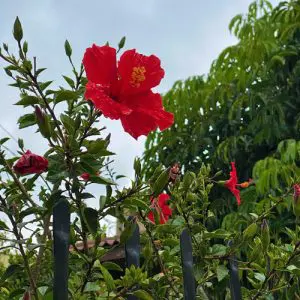 The Maga, scientifically called Thespesia grandiflora, is a native tropical flowering plant that’s been part of Puerto Rico’s ecosystem for centuries. The bloom itself is unmistakable: large, showy petals in deep pink, magenta, or sometimes lighter coral shades, with a yellowish center that makes the flower really pop. The flowers are about 4 to 5 inches across when they open, and they’re short-lived, usually lasting just one day before they drop. That’s part of what makes them special. They’re precious partly because they don’t stick around.
The plant itself is hardy and adaptable, which is why you see it thriving in Puerto Rico’s coastal regions, in the central mountains, and even in drier areas. It can handle the heat, the humidity, and the occasional hurricane. If you’re thinking about landscaping in Puerto Rico, the Maga is a smart choice because it’s resilient and it performs well in the local climate without needing a ton of maintenance.
The History Behind the Symbol
Here’s where it gets interesting. Puerto Rico officially adopted the Maga as its national flower in 1933, but its significance to the island goes way deeper than that. The plant is indigenous to the Caribbean, and it’s been growing in Puerto Rican soil since long before the United States existed. That matters to people here. When you’re choosing a national symbol, you’re not just picking something that looks nice. You’re picking something that represents who you are and where you come from.
The 1933 declaration came during a specific moment in Puerto Rico’s history when there was real energy around defining Puerto Rican identity and culture. The island was already dealing with complex relationships around colonialism, economics, and sovereignty. Choosing an indigenous flower wasn’t accidental. It was a statement. It was saying: this is ours, this belongs to Puerto Rico, this is part of our heritage.
Investors and business folks often miss this layer, but it matters. When you understand why Puerto Rico chose the Maga, you understand something fundamental about how the island views itself and what people here value.
What the Maga Represents
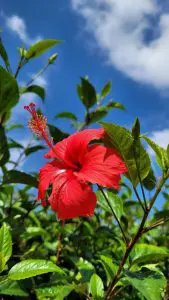 Puerto Ricans will tell you that the Maga represents resilience and beauty in tough conditions. That’s not poetic nonsense. It’s rooted in observation. The plant literally thrives in Puerto Rico’s climate without fussing. It blooms during the hot season, it survives the rainy months, it handles hurricanes. For a place that’s dealt with colonialism, economic challenges, natural disasters, and complex political situations, having a flower that keeps coming back and blooming despite everything is a perfect symbol.
There’s also something about the temporary nature of the bloom that resonates. The flower appears for one day and then it’s gone. In a way, that captures something about resilience and seizing the moment. Make your mark while you can. It’s a very human reading of a natural process, but Puerto Rican culture is full of that kind of thinking.
The color itself matters too. That deep pink and magenta shade is bold and unapologetic. It’s not pale or subtle. It stands out against the green foliage and the blue sky. For tourists, it’s visually striking and memorable. For Puerto Ricans, it’s a color that represents pride and visibility.
Where to See Maga Flowers in Puerto Rico
If you’re visiting Puerto Rico and you want to see these flowers in person, here’s what you need to know. The Maga blooms most heavily from May through October, so if you’re coming during that window, you’ll have better luck. You don’t need to hunt them down on some obscure trail, either. They’re common enough that you’ll spot them if you’re paying attention.
Look for them in San Juan’s parks and botanical gardens. El Jardín Botánico Nacional Veve Vidal has Maga plants, and they have lots of other native Puerto Rican plants too, so it’s worth the trip if you’re interested in understanding the island’s botanical heritage. In rural areas across the island, you’ll see Maga flowers growing in front yards, along fence lines, and in gardens. They’re just part of the landscape.
If you’re in the central mountains around places like Ponce or Utuado, you’ll see them thriving in the hillside climate. They grow well at various elevations, which is one reason they’re so widespread. The south coast, the west coast, the north coast, the interior: Maga flowers are everywhere.
The Investment Angle
 For people looking at Puerto Rico as a business opportunity or real estate investment, the Maga is relevant in concrete ways. First, landscaping. The plant is native, it requires minimal water once established, it doesn’t need heavy pesticide use, and it performs well in Puerto Rico’s climate. That means lower maintenance costs and more sustainable property development. If you’re building residential projects or commercial properties, native landscaping with plants like the Maga makes both environmental and financial sense.
Second, there’s cultural authenticity and branding. Resorts, restaurants, and cultural businesses that incorporate Maga imagery and planting are tapping into something real and local. People appreciate that more than generic tropical aesthetics. There’s an economic value to authenticity.
Third, the Puerto Rican identity around the Maga connects to broader tourism and cultural economy opportunities. Events, merchandise, art, photography, education, and cultural tourism all benefit when they’re rooted in genuine local symbols. The Maga isn’t just a flower. It’s a story that resonates.
More Than Just a Flower
La Flor de Maga sits at the intersection of nature, history, and culture in Puerto Rico. For tourists, it’s a beautiful plant worth seeing and understanding. For investors, it’s a native species that makes practical sense for sustainable development and an authentic cultural asset. For Puerto Ricans, it’s a symbol of resilience, heritage, and identity.
When you see a Maga bloom in Puerto Rico, you’re looking at something that’s been part of this island for centuries. It survived conquest, colonialism, hurricanes, and change. It blooms anyway. That’s why it matters. That’s why Puerto Rico chose it. That’s why it still means something today.
Next time you’re in Puerto Rico and you spot those bold pink blooms, take a second and really look at them. There’s a lot packed into that one beautiful, temporary flower.