 David
David Why You Should Think Twice Before Jumping Into a River After the Rain
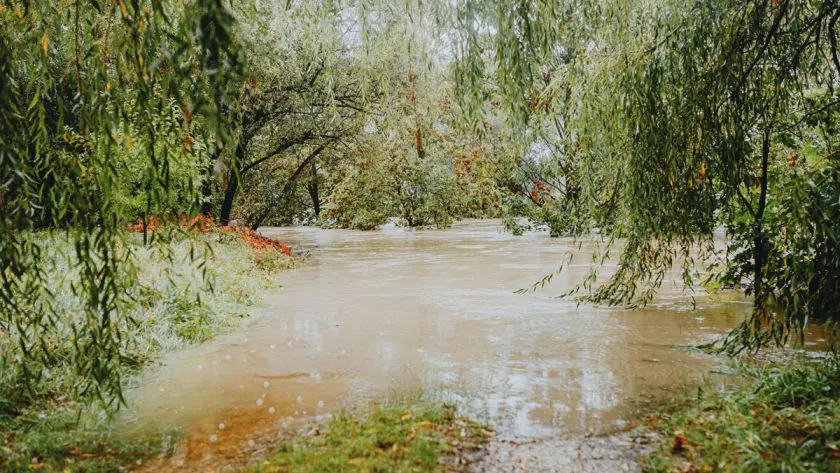
Every year around this time, I start getting the same message from readers. The rain finally lets up, the sun comes back out, and someone’s found a gorgeous river or charco they can’t wait to jump into. I get the pull. After a few days cooped up watching a storm roll through, that green water calling you from the road looks like exactly what you need. But if that river just took a hit from heavy rain, it is not the same river you saw two weeks ago, and it’s worth understanding why before you wade in.
The Water Moves Faster Than It Looks
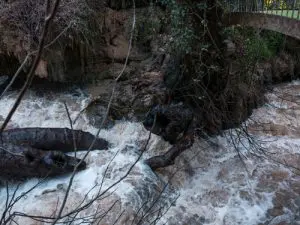
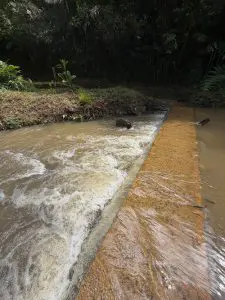 Heavy rainfall can double or triple a river’s normal flow in a matter of hours. That’s not just a higher water line, it’s a completely different river. Currents that were easy enough to wade through a week earlier can knock a strong swimmer off their feet, especially around bends, rock formations, and the low bridges you’ll find crossing rivers all over the island, where the water gets squeezed and speeds up. Storm swollen rivers also tend to throw off that foamy, aerated water near obstacles, and that kind of water gives you almost nothing to grab onto if you’re struggling to stay up.
What makes this genuinely dangerous is that the storm causing it doesn’t have to be over your head. Rain falling miles upriver can send a wall of water down a channel with almost no warning, so a spot that looks calm right where you’re standing can rise several feet in minutes. Floodwater also drags along everything it picks up on the way down: branches, scrap metal, glass, whatever debris got loose. That stuff piles up in eddies and behind rocks, creating pockets where a swimmer can get pinned without ever seeing it coming. And the riverbanks themselves take a beating. Erosion undercuts the edges, and the riverbed can scour out new drop-offs where there used to be a shallow, easy entry point. The spot you remember from a dry week might not exist in the same shape anymore.
It’s Not Just the Current, It’s What’s in the Water
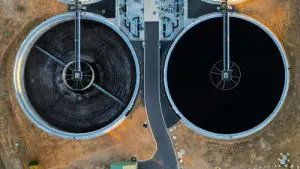 Here’s the part most visitors don’t think about, and honestly, plenty of locals don’t either. Puerto Rico’s water and sewer infrastructure has a long history of struggling during heavy rain, and Hurricane Maria showed exactly how bad it can get. The EPA confirmed that more than a third of the island’s sewage treatment plants went offline after that storm, which sent raw sewage straight into streams, rivers, and coastal waters. You don’t need a hurricane for a smaller version of that same problem. A strong, ordinary tropical downpour can overwhelm collection systems and push untreated wastewater into a river faster than the system can handle it.
Sewage isn’t the only thing riding along in that runoff. In farming areas, storm water carries livestock waste and fertilizer straight into the river, which spikes bacteria counts and can trigger algae blooms in the days that follow. Urban runoff adds its own mix of pesticides, fuel residue, and heavy metals like arsenic. Researchers who tested tap water on the island in the months after Hurricanes Maria and Irma found elevated levels of arsenic along with industrial and agricultural chemicals, including PFOA and breakdown products of the herbicide atrazine, among roughly 200 compounds they screened for. If treated drinking water was showing spikes like that, an open river right after a storm is not somewhere you want to be submerged, especially with a cut or scrape.
The health side of this is well documented, not theoretical. Researchers studying Puerto Rico’s coastline have found a real link between extreme rainfall events and spikes in gastrointestinal illness in nearby communities. Leptospirosis is the one I’d actually worry about most. It’s a bacterial infection spread through water contaminated by animal or human urine, and after Hurricane Maria, confirmed cases on the island jumped to roughly three times the normal rate, with most of that year’s cases showing up in the weeks right after the storm, when people had no choice but to rely on streams and other unsafe water sources. Beyond that, you’re also looking at ordinary skin, eye, and ear infections from contact with contaminated water, and repeated exposure to the chemical side of storm runoff has been tied to longer term health concerns as well.
Why This Hits Different in Puerto Rico
 A few things about the island stack the odds against you in ways that don’t apply everywhere. Much of Puerto Rico sits on karst limestone, terrain full of underground channels that let water move and resurface in unpredictable places, often carrying whatever it picked up along the way. The water and sewer systems are old and already running close to capacity, so it doesn’t take a major hurricane to overwhelm them. A strong afternoon storm can do it. And because tropical storms and heavy rain are a recurring part of life here for months at a stretch, this isn’t a once in a while risk, it comes back around every few weeks through the season.
If you’re a tourist chasing the most photogenic charco you found on social media, keep in mind that the remote, undeveloped spots people love most are exactly the ones with no monitoring, no water testing, and no signage to warn you when conditions have turned. And if you’re an investor or a vacation rental host with a property near a river, this is worth building into your own guest guidance. A well meaning host who tells guests “go check out the river down the road” the same week a storm passed through is handing out advice that can genuinely hurt someone.
So How Long Should You Actually Wait?
There’s no way to eyeball a river and know it’s clean. Bacteria levels and shifting currents underneath the surface don’t announce themselves. As a general rule, I’d wait at least 24 hours after light rain in an open area with good water flow before getting back in. After heavier rain or any flooding, especially near storm drains, urban runoff, or where a river meets the sea, give it 48 to 72 hours. After a major storm or hurricane, particularly in an area with any history of sewage or industrial contamination, I’d wait several days and lean toward caution rather than convenience.
The simplest rule I give people: if the water still looks murky, smells off, or has visible foam or debris riding on it, stay out. Your eyes are a decent early warning system, but they can’t detect bacteria or dissolved chemicals, so when you’re not sure, give the river more time before you or your kids get back in.
I’ll keep an eye on this as storm season moves through the island and update it if anything changes, but the short version holds either way. Give it time, and let the condition of the water, not your schedule, decide when it’s safe to swim.
Official sources: EPA Hurricane Maria Update, October 2017 (U.S. Environmental Protection Agency) · 2017 Puerto Rico Leptospirosis Outbreak, CDC MMWR · PROTECT Study on Post-Hurricane Drinking Water Contamination, Northeastern University
Storm season safety guidance current as of September 2026.