 David
If you’ve heard about Puerto Rico’s bioluminescent bays and wondered what all the fuss is about, you’re in for something genuinely special. These glowing waters aren’t tourist hype: they’re real, they’re incredible, and they’re one of the most unique natural experiences you can have on the island. But before you jump in, there’s something important to know about visiting them responsibly.
What Are Bio Bays, Anyway?
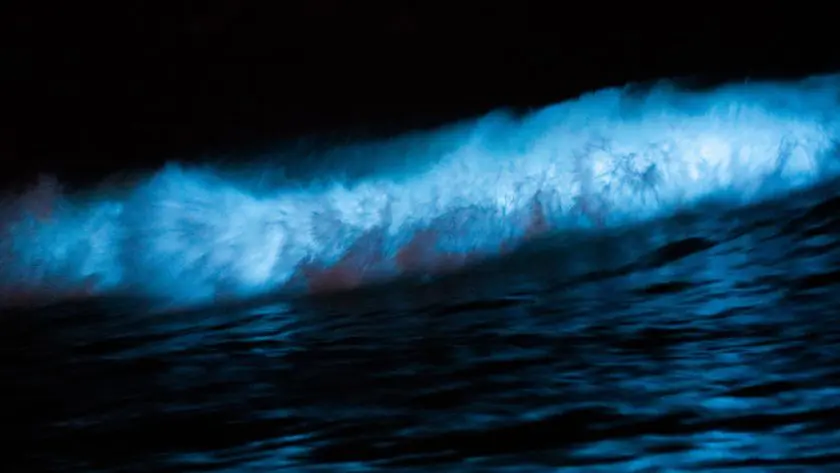
Puerto Rico has four main bioluminescent bays: Vieques, Fajardo’s Laguna Grande, Lajas, and Laguna Joyuda in the west. Each one glows because of millions of tiny organisms called dinoflagellates. These single-celled creatures produce light through bioluminescence. It’s a chemical reaction that happens inside their cells.
When you move through the water, your motion triggers the dinoflagellates to light up. The result is an otherworldly blue-green glow. It looks like you’re swimming through liquid starlight. The phenomenon is rare globally. Only a handful of places in the world have the perfect conditions for this, and Puerto Rico has several of them.
Vieques: The Crown Jewel
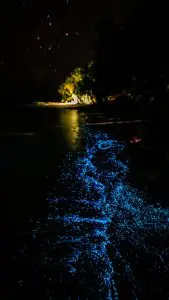 Vieques is where the magic is most intense. The bioluminescent bay here, also called Mosquito Bay, is protected as a nature reserve. This protection exists for good reason. The concentration of dinoflagellates is so high that you can see your hand glowing in front of your face underwater.
Tour operators take visitors out on small boats or kayaks. When you stick your hand in the water, it looks like you’re trailing liquid light. Getting to Vieques requires a ferry from the mainland. This makes it feel like a real journey. Most people visit as a day trip or stay overnight in the small island towns.
The bay itself is calm and protected. The experience is genuinely humbling. Investors have noticed Vieques recently, and ecotourism on the island is growing. If you go, remember this: pack it in, pack it out. Leave no trace behind. The dinoflagellates depend on a delicate ecosystem. Even small amounts of pollution, sunscreen, or disruption can damage the bay.
Laguna Grande in Fajardo
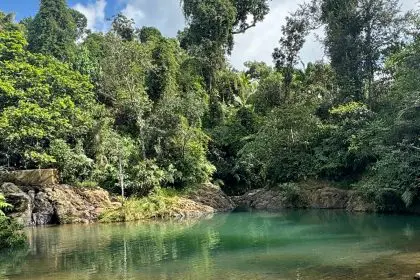
On the mainland in northeast Puerto Rico, Fajardo is home to Laguna Grande. It’s a bioluminescent bay that’s easier to access than Vieques and still stunning. The bay is surrounded by mangrove forests. These forests are critical to keeping the ecosystem healthy. Mangroves filter the water, provide habitat for juvenile fish, and protect the coastline from storms.
Tours here typically involve kayaks. You’re paddling through mangrove channels before you enter the open bay. It’s a different experience than Vieques. It’s more intimate, quieter, and deeply connected to the island’s natural environment. The glow here is still remarkable. The whole experience feels embedded in the ecosystem rather than separated from it.
Tourism-focused development around Fajardo is real. Investment opportunities are growing. But the bay’s health depends on respecting those mangroves and the water quality. Again: leave no trace. No sunscreen. No trash. No excessive noise. The dinoflagellates are sensitive to disturbance.
Laguna Joyuda and Lajas in the West
 On the western side of the island, Laguna Joyuda in Lajas is quieter and less crowded than its northeastern counterparts. This is where you go if you want to experience bioluminescence without the tour operator infrastructure. The glow is genuine. The water is calm. The feeling is more local and authentic.
Lajas also has another small bay. While the bioluminescence isn’t always as strong as Vieques or Fajardo, the experience is just as meaningful. Fewer tourists know about this corner of Puerto Rico. This means the ecosystem gets less pressure. If you’re looking for ecotourism that hasn’t been commercialized yet, this is it.
The Leave No Trace Principle: Why It Matters
Here’s the reality: these bays are fragile. They’re getting more pressure every year as tourism grows. The dinoflagellates that create the glow are sensitive to water quality, light pollution, and chemical runoff. Sunscreen breaks down into chemicals that accumulate in the water. Trash smothers the bottom. Excessive boat traffic and noise stress the organisms.
When you visit a bioluminescent bay, you’re not just seeing a natural wonder: you’re entering an ecosystem. The leave no trace principle is essential. Don’t wear sunscreen. Don’t wear sunblock. Use reef-safe insect repellent at most. Better yet, cover up or don’t go if you need it.
Don’t bring anything plastic that could fall overboard. Don’t use lights or cameras with flashes unless necessary. Keep your noise level low. Pack out everything you bring in, even things that seem harmless. Respect the guides’ instructions about where to swim and where not to. The goal is to experience the bioluminescence while ensuring it’s still there for the next generation.
Why the Natural Beauty Depends on a Healthy Ecosystem
 The extraordinary beauty of Puerto Rico’s bioluminescent bays exists because the ecosystem is healthy. These glowing waters, the mangrove forests, the filtered water, the thriving populations of dinoflagellates: they all work together in balance. The moment that balance breaks, the magic disappears.
The beauty you’re witnessing isn’t separate from nature. It’s nature at its most spectacular. And it only remains spectacular if the ecosystem remains healthy. When you visit, you’re not a passive observer. You’re a participant in that ecosystem. Your choices directly affect whether this natural wonder survives.
Practical Information for Visitors and Investors
Tours operate year-round. Seasonal factors affect the intensity of the glow. Summer months often have calmer waters and clearer skies. This enhances the experience. Most tours last 1.5 to 2 hours and cost between $40 and $80 per person. The exact price depends on where you go and what’s included.
For investors looking at Puerto Rico’s ecotourism potential, the bio bays represent genuine opportunity. Sustainable tourism infrastructure, conservation-focused lodging, and educational programs are all underserved in these areas. But here’s what matters: you’re not just selling an experience. You’re stewarding an ecosystem.
Tour operators and accommodation providers who prioritize environmental protection will build the most resilient businesses. Long-term success in this space means understanding that the ecosystem comes first. The business model follows that.
The Future of Puerto Rico’s Glowing Waters
The bioluminescent bays are one of Puerto Rico’s most remarkable natural assets. They draw tourists. They inspire scientists. They remind us that nature can be stranger and more beautiful than we imagine. But they’re fragile.
When you visit, or if you’re investing in tourism around them, remember this: the natural beauty of these waters exists because the ecosystem is healthy. Keep it that way. Pack it in, pack it out. Leave no trace behind. These glowing waters will glow for generations to come, but only if we protect them now.