 David
If you’re thinking about Puerto Rico hiking, you’re not just planning a day trip. You’re stepping into a system that works differently than mainland trails. I’ve spent enough time on this island to know how things operate here, and hiking is no exception. Let me walk you through what you need to know.
Puerto Rico has roughly 20 serious mountain trails and dozens of casual walks scattered across the island. The most famous is El Yunque, but that’s also where most tourists cluster. If you want real Puerto Rico hiking experience, you need to understand the regional differences, trail conditions, and how to respect what makes these trails worth hiking in the first place.
El Yunque: The Known Entry Point
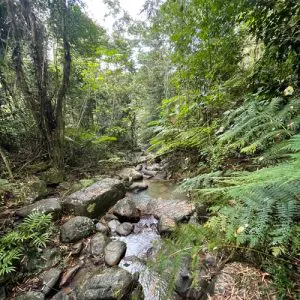 El Yunque National Forest is the obvious starting point for Puerto Rico hiking, and honestly, there’s a reason for that. It’s accessible, well-maintained, and genuinely beautiful. The forest sits northeast of San Juan in the towns of Luquillo and Rio Grande. Most visitors hit the big trails: Cascada La Mano, Boca de la Culebra, or El Yunque waterfall.
Here’s what you should know: El Yunque gets crowded, especially on weekends and cruise ship days. The trails themselves are good, but they’re also where you see the most human impact. If you go, go early. And follow one rule that matters more here than anywhere else: leave the forest exactly as you found it. No plastic, no soap in the streams, no carved initials. The ecosystem survives because it’s protected, not because it magically repairs itself. The park charges admission and has specific hours. Check before you go. Parking fills up fast.
The Less-Crowded Mountain Trails
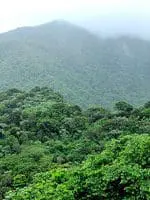
 If you want actual Puerto Rico Mountain hiking away from the tourist flow, you’re looking at the central mountain range. These trails climb through cloud forest, coffee plantation land, and genuine backcountry. This is where the island’s real landscape lives.
Toro Negro State Forest in Ponce is one of the best-kept secrets. The Pico Negro trail takes you up to some of the highest points on the island. The Caonillas River trail offers a different kind of hike: water crossings, rock scrambling, real technical terrain. This isn’t El Yunque. You need proper shoes, respect for conditions, and actual fitness.
Guilarte State Forest, near Utuado, is another system that doesn’t get the tourist attention. The trails here connect through old coffee plantation routes and genuine mountain ecosystem. Los Picachos trail is legitimately challenging and genuinely rewarding. The views from the ridge stretch across the entire island on clear days.
East Camuy Caverns offers a hybrid experience. You’re hiking to and through a cave system. The Rio Camuy underground river flows through it. It’s geological hiking, not just forest walking. Book ahead. Tours run daily, and they’re worth taking.
Coastal and Regional Options
 Not all Puerto Rico hiking means mountains. The south coast, especially around Guanica, has dry forest trails that feel like a completely different climate than El Yunque. Copamarina Reserve offers coastal hiking with mangrove systems and water access. The landscape is arid, sparse, and fragile. This ecosystem is genuinely vulnerable. Stick to marked trails and understand why. Mangrove environments are nurseries for the entire coastal system.
The west coast around Rincon and Isabela has trail systems that connect to beaches. Desecheo Island has permitted hiking if you can get a boat to it. The experience is island wilderness: limited infrastructure, actual remoteness, respect-required terrain.
What Actually Works: Practical Systems
Here’s what tourists, investors, and residents all need to understand about Puerto Rico hiking systems.
First: the infrastructure is inconsistent. Some trails have current maintenance. Some don’t. Check local knowledge before you go. Tourism websites often describe trails that haven’t been properly maintained in years. Locals know the status. Ask them.
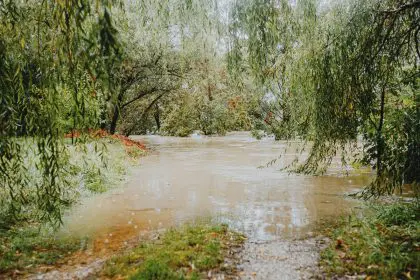
Second: weather changes fast. You can start a hike in sun and finish in fog. Rain in the mountains is common, even when the coast looks clear. Streams that look manageable can flood in 30 minutes. This isn’t overcautious advice. It’s how the system works. Respect it.
Third: permits and access vary by trail and region. Some trails require nothing. Some require entry fees. Some require permits you get from local municipalities. Check before you go. This isn’t bureaucratic theater. It’s how they manage the trails and keep them accessible.
Fourth: guide services exist, and for difficult trails, they’re worth using. A good local guide knows trail conditions, can read weather, understand ecosystem dynamics, and know where tourists need safety support. If you’re hiking Caonillas or advanced Toro Negro terrain, hire someone who knows it.
Why This Matters Beyond Your Hike
 For tourists: Puerto Rico hiking is genuinely world-class, but that only works if the trails and ecosystem survive your visit. Leave no trace isn’t a slogan here. It’s how the system maintains itself. Take your trash, stay on marked paths, don’t pick plants, don’t touch wildlife. The ecosystem is the reason you came.
For investors: the outdoor recreation market in Puerto Rico is genuinely underdeveloped compared to the tourism potential. The current trail infrastructure, guides, equipment rentals, and hospitality around mountain hiking could be substantial business. But that depends on long-term ecosystem health. Short-term extraction destroys the product.
For residents: your hiking trails are economic infrastructure. They’re also personal space. Both matter. Trail maintenance budgets matter. Access policies matter. Local knowledge about conditions and safety matters. Pay attention to who’s using your trails and how.
Getting Started: Real Next Steps
- Start with established trails: El Yunque if you want to see where most people go. Toro Negro or Guilarte if you want actual mountain hiking. Caonillas if you want challenging terrain.
- Get local information before you go. Not from apps or websites necessarily, but from people who hike the island regularly. They know what’s current and what’s outdated.
- Bring proper gear: real hiking boots, water, sun protection, a way to pack out everything you bring. Weather can change. Conditions vary. Be prepared for terrain that’s tougher than it looks.
- Respect the system: ecosystems, trail maintenance, local access policies, weather windows. You’re not the first person on these trails and you shouldn’t be the last. The system works because it’s protected.
The Island System Works If You Work With It
Puerto Rico hiking connects to how the entire island system operates. Respect for nature isn’t optional. Infrastructure maintenance matters. Local knowledge is real. Understanding how systems work, not just how they’re described online, is the difference between a good experience and a problem.
Hike the trails. Enjoy the landscape. But understand that you’re stepping into an ecosystem and an infrastructure system that survive because they’re protected and maintained. Show up as someone who respects that, and Puerto Rico hiking becomes what it’s supposed to be: extraordinary.