
 David
David A Simple Backyard Hack That Actually Helps
Every summer, mosquitoes turn my patio into a complaint department. I’ll step outside with coffee in hand, tell myself I’m only watering the basil, and come back with three new bites around my ankles. That’s why I love finding a backyard hack that starts with something I already have: used coffee grounds. They won’t turn your yard into a mosquito-free zone, but when you dry them out and burn them safely, they create a smoky, earthy barrier that makes small outdoor spots less appealing to mosquitoes. Here’s what I’ve learned about using them, what the science actually backs up, and where this trick fits in your overall mosquito defense.
The Easiest Way to Start
- Collect your used, plain coffee grounds and spread them out to dry completely.
- Put the dried grounds in a heat-safe tin, small dish, or metal bowl.
- Light the edge so they smolder slowly instead of flaming up.
- Set it near where you’re sitting, by doorways, or along garden edges where mosquitoes tend to hang out.
- Always use it outdoors, away from food, pets, dry leaves, and anything that could catch fire.
That’s it. Now let’s talk about what actually works.
Pick the Right Coffee Grounds First
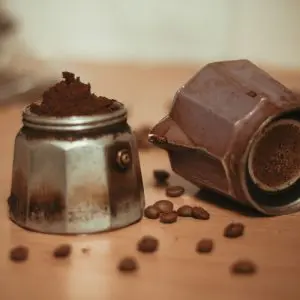 Not all coffee grounds are created equal – my personal preference is always a Puerto Rican brand! You’d think “it’s just coffee,” but a few things can make the difference between a decent mosquito repellent and a smokey mess that doesn’t do much.
Used, Dried Grounds
This is the sweet spot. They’ve already been brewed, and drying them removes the excess moisture that makes them moldy or hard to light. Plus, they’re free.
Dry them the easy way:
Spread them on a baking sheet and let them air dry for a day or two. If you’re in a hurry, throw them in the oven at 200 degrees for about 30 minutes.
Medium or Dark Roast
These produce a stronger scent and deeper smoke when burned. Light roasts work fine, but the oils and compounds that actually bother mosquitoes are more concentrated in the darker stuff.
Skip the Flavored Stuff
Don’t use coffee grounds that had cream, sugar, or hazelnut vanilla mixed in. That burns weird, smells artificial, and might attract ants instead. Keep it simple. Basic brew, nothing fancy.
Where to Put Them (and When)
Placement matters. You’re creating small no-go zones for mosquitoes, so put the burning grounds where they’re already active or likely to show up. A patio corner works better than randomly around the yard. Early evening, when mosquitoes get more active, is your best window.
Why Coffee Grounds Actually Seem to Work
Mosquitoes are finicky. They don’t like smoke, bitter smells, or dry, acidic environments, and coffee grounds deliver all three. When you burn used coffee grounds, they smolder and produce a strong, earthy smell. That scent can interfere with how mosquitoes track carbon dioxide and body heat. Coffee also contains natural compounds like caffeic acid and diterpenes that insects just don’t like. Some lab studies even suggest that caffeine can slow down mosquito larvae development.
So here’s the real takeaway: coffee grounds can help keep adult mosquitoes away from small areas, and they might make damp spots in your yard less welcoming for larvae, especially if you’re using them as part of a bigger mosquito-control approach.
What the Science Actually Shows
The most interesting research is about coffee and mosquito larvae, not about burning grounds as a repellent.
One lab study found that spent coffee grounds and caffeine affected Aedes aegypti larvae by reducing survival, delaying development, and damaging their midgut tissue. Read the study on PubMed. Another study showed that both wet and dry spent coffee grounds were toxic to Aedes aegypti larvae, with stronger results at higher concentrations. Open-access study here.
Here’s what matters though:
 The CDC and EPA still recommend EPA-registered repellents if mosquito-borne disease is a concern. Smoke and strong scents might disrupt how mosquitoes find you, but burning coffee grounds hasn’t been tested as rigorously as topical repellents or commercial essential-oil products. So coffee grounds are a useful backyard addition, not a substitute for proven protection.
I wouldn’t swap this for bug spray if you’re dealing with heavy mosquito activity or disease risk. But for a casual evening on the patio? It’s a cheap trick with enough science behind it to be worth trying. Coffee grounds probably won’t save you if you’re hiking through a swampy area. But for backyard time, keeping mosquitoes off your plants, or staying comfortable on the patio without coating yourself in chemicals? They’re surprisingly useful and worth adding to your toolbox.
Keep a mosquito jar in your kitchen. If you drink coffee every day, start collecting used grounds in a jar or small tin. Let them air out between uses. You’ll always have a batch ready to burn when you need it.
Mix These In to Boost the Effect
If you want the smoke to smell better or maybe stretch the results a little, try mixing coffee grounds with other aromatic ingredients.
| Add-In | Image | Why Use It | Best Use | What to Know |
|---|---|---|---|---|
| Citrus Peels |  . . |
Adds a bright scent and limonene, which research suggests may help repel mosquitoes | Mix dried lemon or orange peels into grounds before burning | Limonene research is promising but not always consistent |
| Basil |   |
Adds herbal scent from compounds like linalool | Scatter fresh sprigs nearby or mix dried leaves into your grounds | Some studies show plant oils can repel mosquitoes under lab conditions |
| Clove or Cinnamon |   |
Provides a strong spicy scent from eugenol-rich oils | Add just a small amount to dried grounds before burning | Both have performed well in repellent tests, but homemade strength varies |
| Lavender or Rosemary |   |
Softens the smell and adds a garden-herb note | Use dried sprigs sparingly with your grounds | Better for making it smell pleasant than for guaranteed protection |
All of these are optional. The coffee grounds do the heavy lifting on their own.
Be Realistic About What This Will Do
Coffee grounds are cheap, natural, and useful, but they’re not magic. Think of them as a supplemental tool for small areas. They can help around a patio chair, garden edge, or doorway, but they won’t clear an entire yard or replace proven protection when mosquitoes are heavy or disease risk is higher. Use coffee grounds when you want a low-cost layer of defense for casual backyard time. Use EPA-registered repellents, netting, long sleeves, or professional pest control when mosquitoes are thick, disease risk is a real concern, or you need protection that lasts for hours.
Is It Worth Trying?
Absolutely, especially if you:
- Want a chemical-free option for small areas.
- Like DIY, garden-friendly solutions.
- Have pets or kids and want something gentler.
- Already brew coffee daily anyway.
Just remember it’s not about doing only one thing. It’s about building layers. Coffee grounds are one smart, sustainable layer that happens to smell like cozy mornings.
Final Thoughts
What I like about this is how ordinary it is. The same grounds headed for the trash or compost can become another line of defense for your patio, porch, or garden corner. It’s not powerful enough to replace proven repellents, and I wouldn’t rely on it during heavy mosquito activity. But for a casual evening outside, dried coffee grounds are simple, affordable, and satisfying to use. Dry them well, burn them safely, keep the smoke close to where you’re sitting, and treat it as one supporting habit rather than a complete shield. If nothing else, it gives your used coffee a second job and gives you a better shot at enjoying the evening without constantly swatting at your ankles.