 David
David How the PRNG Stepped In During Puerto Rico’s Water Crisis
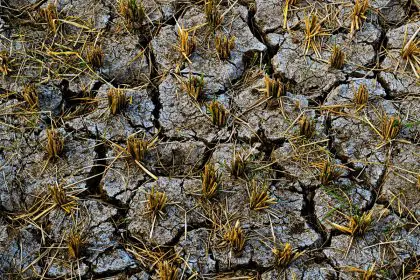
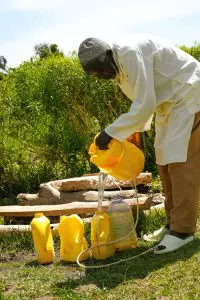 When Puerto Rico’s drought hit hard in 2026, the island faced a real problem: not enough clean water getting to communities. The Puerto Rico National Guard didn’t wait for someone else to solve it. They deployed mobile desalination units to rivers across the island, pulling raw water from sources like the Río Grande de Loíza and turning it into drinking water that met strict safety standards. This wasn’t emergency theater. It was infrastructure that worked.
If you’re planning to live in or invest in Puerto Rico, or you’re just curious about how the island handles resource challenges, this is worth understanding. It says something about how Puerto Rico responds when things break down, and it shows you what kind of equipment and know-how exists on the ground.
The Equipment: ROWPU Units and What They Actually Do
The heart of the operation was something called a ROWPU. That’s military shorthand for Reverse Osmosis Water Purification Unit. These aren’t small countertop filters. They’re mobile, tactical-grade systems that can be deployed fast and operate independently, with their own generators and power.
Here’s what makes them worth knowing about: a standard ROWPU unit produces up to 3,000 gallons of purified water per hour. Running a full shift, that translates to somewhere between 20,000 and 40,000 gallons of usable drinking water daily, depending on how long the teams run the system and how fast they can distribute it. For a drought emergency, that’s the difference between people having water and people not having water.
The system can pull water from nearly anywhere: fresh rivers, brackish areas where salt and fresh water meet, groundwater, even seawater. That flexibility matters in Puerto Rico because the island has diverse water sources, and when the regular water infrastructure fails, having equipment that works with what’s available makes a real difference.
How the Purification Process Actually Works
The ROWPU runs water through four main stages. Understanding this matters if you want to know why the water coming out is safe to drink, not just cleaner looking.
First, raw water gets pulled from the natural source through screened hoses. High-velocity pumps do the work, and the screens filter out the big stuff: debris, vegetation, sediment, anything visible. This is crude filtering, but it protects the rest of the system. From there, the water moves through multimedia filtration layers. These capture the smaller suspended particles that make water cloudy, what water technicians call turbidity. You’re removing things you can’t see, but they matter for water quality.
Next comes the heavy lifting: high-pressure reverse osmosis. Industrial pumps push the pre-filtered water through advanced semi-permeable membranes at extreme pressure. This is where the real purification happens. The membranes are so fine that they separate pure water molecules from dissolved salts, heavy metals, chemical residues, bacteria, and viruses. What comes through is clean. What doesn’t make it through, called brine, gets discharged.
Finally, the purified water gets a dose of chlorine for disinfection. This final step ensures the water stays safe as it travels through distribution pipes and sits in trucks before reaching communities. After testing confirms it meets potable water standards, water trucks managed by PRASA, the Puerto Rico Aqueduct and Sewer Authority, transport it to neighborhoods dealing with shortages.
Who Ran the Operation
 This wasn’t a haphazard effort. The Puerto Rico National Guard has specialized units trained for exactly this kind of logistical challenge. The 105th, 162nd, and 714th Quartermaster Companies handled operations. These units have the expertise to set up mobile purification sites, manage the equipment, and coordinate with local water authorities.
In August 2026, Puerto Rico’s Governor activated the mission under Executive Order OE-2026-036. The operation established specialized treatment sites in San Juan and Canóvanas, with the Canóvanas team pulling raw water directly from the Río Grande de Loíza. They called it the Water Sentinels mission, and by the numbers, it worked: the PRNG purified 298,151 gallons of water and distributed over 1,015,000 total gallons to drought-stricken communities.
What This Says About Puerto Rico’s Infrastructure
The drought response matters because it reveals something about how Puerto Rico handles crises. The island’s water system, managed by PRASA, usually works. But when it doesn’t, the government didn’t sit around debating solutions. They deployed proven military technology to fill the gap immediately.
If you’re considering relocating to Puerto Rico or investing here, this is relevant context. Infrastructure sometimes fails, but when it does, there are people trained and equipped to respond. The National Guard possesses mobile desalination capacity, technical expertise in water purification, and the ability to move fast. That’s not nothing.
It also matters for tourists and people thinking about longer stays. Water shortages do happen on the island. They’re usually brief, and they usually get resolved. Knowing how they get resolved, knowing there’s a system in place, makes the uncertainty feel less random.
The Technical Side: Why ROWPU Systems Matter
Military-grade water purification equipment exists because militaries operate in places where clean water isn’t guaranteed. A naval ship, a deployed unit, a forward operating base: none of these can depend on local municipal water systems. So, the equipment was built to be self-sufficient and fast.
That same equipment happens to work beautifully during civilian emergencies. It requires no pre-existing infrastructure. It operates on its own generators. It works with nearly any water source. When Puerto Rico’s regular water system couldn’t keep up with demand during the drought, the ROWPU units did exactly what they were designed to do: provided high-quality drinking water in a crisis, independently and quickly.
The drawback is cost. Mobile desalination isn’t cheap to operate or maintain. It’s an emergency tool, not a permanent solution. But for acute shortages during drought, it’s effective, and the Puerto Rico National Guard knew how to deploy it.
What Happened to the Water After Purification
Once the water left the ROWPU units, PRASA took over distribution. The water went into trucks managed by the Puerto Rico Aqueduct and Sewer Authority and was transported to communities experiencing the worst shortages. From there, it went to households, businesses, and public distribution points.
The entire operation was coordinated response between the National Guard’s water purification capability and PRASA’s distribution network. One handled the technical side of making water safe. The other handled getting it where people needed it.
Looking Forward
 Puerto Rico’s drought in 2026 was severe enough to trigger a large-scale emergency response. The island’s water infrastructure, like water systems everywhere, faces pressure from aging systems, population demands, and climate factors. The fact that the National Guard can deploy desalination units fast suggests the government has thought about what happens when the regular system can’t keep up.
If you’re moving to Puerto Rico, planning an extended stay, or investing here, knowing that this capacity exists probably matters less than knowing that Puerto Rico has access to drinking water. But the details about how the island responded, what equipment was deployed, and how fast things moved might tell you something useful about the island’s resilience and problem-solving approach when things go wrong.
Water issues are real and occasional on Puerto Rico. They’re also temporary and solvable. The 2026 drought response proved that.