 David
David What Farmers Need to Know About Emergency Loans
I’ve been on this island long enough now to know the pattern when the summer rains don’t show up on schedule. First the pastures crack, then the reservoir numbers start making the news, and eventually it lands right where it hurts most, on a farmer’s balance sheet. That’s exactly what’s playing out across the south coast and up into the central mountains right now, and on August 26, 2026, USDA made it official by declaring a drought disaster for 26 municipalities in Puerto Rico.
If you run a farm, ranch, or any kind of agricultural operation in one of these areas, this matters. It’s the trigger that opens emergency loans through the Farm Service Agency, and I want to walk through exactly who qualifies, what the loans cover, and what the timeline looks like, because FSA language is not written for an easy afternoon reading.
What a Drought Disaster Designation Actually Triggers
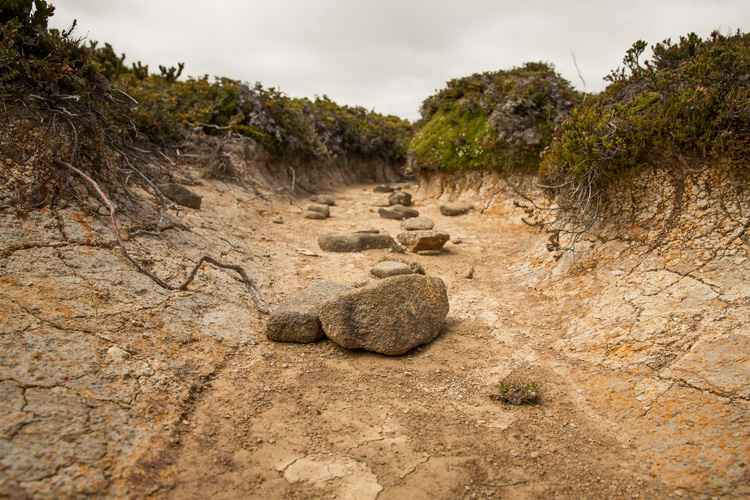 A Secretarial drought disaster designation isn’t just a headline, it’s the specific mechanism that opens FSA emergency loans, often called EM loans, to eligible producers in the named municipalities. As of August 26, 2026, that’s exactly what’s live for the areas below.
The 13 Primary Municipalities That Triggered the Designation
These are the municipalities where conditions were severe enough to trigger the designation directly:
- Cabo Rojo
- Coamo
- Guánica
- Guayanilla
- Juana Díaz
- Lajas
- Peñuelas
- Ponce
- Sabana Grande
- Salinas
- San Germán
- Santa Isabel
- Yauco
If you’ve spent any real time on the southern coast, none of this surprises you. That corridor running from Cabo Rojo through Ponce and over to Yauco has always run drier than the rest of the island, and it’s usually the first region to show stress when rain patterns shift.
The 13 Contiguous Municipalities With the Same Loan Eligibility
USDA automatically extends the same emergency loan eligibility to municipalities that border a primary disaster area, even when their own conditions weren’t severe enough to trigger the designation on their own. For this declaration, that list is:
- Adjuntas
- Aibonito
- Barranquitas
- Cayey
- Guayama
- Hormigueros
- Jayuya
- Lares
- Maricao
- Mayagüez
- Orocovis
- Utuado
- Villalba
Add the primary list to the contiguous list and you get 26 municipalities total, which is why that number is attached to this designation everywhere you look.
What FSA Emergency Loans Actually Cover
This is the part most people skim right past, and it’s the part that matters most when you’re deciding whether to apply. Here’s the breakdown:
| Loan Feature | Detail |
|---|---|
| Coverage amount | Up to 100% of actual production or physical loss, capped at $500,000 |
| Interest rate | 3.750% on the actual-loss amount, based on FSA’s August 2026 rate, which resets monthly |
| Repayment terms | 1 to 7 years for crop and livestock losses, up to 40 years for real estate damage |
| Eligible uses | Replacing essential property, covering next season’s production costs, paying family living expenses, refinancing certain non-real-estate debt, reorganizing the operation |
That 40-year term on real estate damage is worth sitting with for a second. If drought conditions took out irrigation infrastructure or damaged a structure on your property, that’s a long runway to rebuild without a loan payment crushing next season’s cash flow.
Do You Qualify, and What Do You Need to Show
The main hurdle beyond location is that applicants must demonstrate they can’t get credit anywhere else. This isn’t a program built for producers who can walk into a regular bank and get financing on normal terms, FSA wants to see that this is genuinely the option of last resort. That’s standard practice for emergency ag lending, but it catches people off guard if they haven’t dealt with FSA before.
Beyond that, you’ll need documentation of the loss itself, and what that looks like depends on whether you’re dealing with crop damage, livestock losses, or physical property damage. Your local FSA office is the best resource for exactly what paperwork they want to see, and I’d start that conversation sooner rather than later given everything else on the application timeline.
The Application Deadline
Producers have roughly eight months from the designation date to apply, which puts the deadline at approximately April 26, 2027. I’d treat that as a working estimate, not gospel. FSA deadlines can shift slightly depending on the exact designation paperwork, so confirm the real date directly with your local office instead of relying on the eight-month rule of thumb.
What If Your Municipality Isn’t on the List of 26
 Here’s where it gets a little more encouraging. The 26 municipality list only applies to this specific emergency loan program. Puerto Rico’s actual drought footprint is much bigger right now, with around 43 municipalities, San Juan included, sitting in the D2 to D4 categories on the U.S. Drought Monitor.
Programs like the Livestock Forage Program, the Emergency Assistance for Livestock, Honey Bees, and Farm-Raised Fish Program, the Livestock Indemnity Program, the Noninsured Crop Disaster Assistance Program, the Tree Assistance Program, and the Emergency Conservation Program all work off that Drought Monitor data instead of requiring a Secretarial designation. So, if you’re farming outside the 26 named municipalities, don’t assume you’re out of options. There’s a good chance one of those programs applies to you, and it’s worth a call to FSA either way to find out.
My Take on This
I’ve watched enough drought cycles move through the south coast to know these designations tend to show up after the damage is already visible, not ahead of it. That’s just how the federal process works, it reacts to conditions on the ground rather than predicting them. But the terms here are genuinely useful if you qualify, especially that 3.750% rate and the long repayment window on real estate losses.
My advice, and I say this as someone who’s spent plenty of years dealing with paperwork-heavy government processes, is don’t wait until closer to the deadline. Call your local FSA office now, get clear on exactly what documentation they want, and start building your file while the damage and the numbers are still fresh in front of you. Waiting rarely makes these things easier; it just compresses the timeline you have left to work with.
I’ll keep tracking how this designation affects the south coast and central mountain communities as more information comes out, and I’ll update this page if FSA adjusts any of the terms or the deadline.