 David
Puerto Rico’s National Symbol
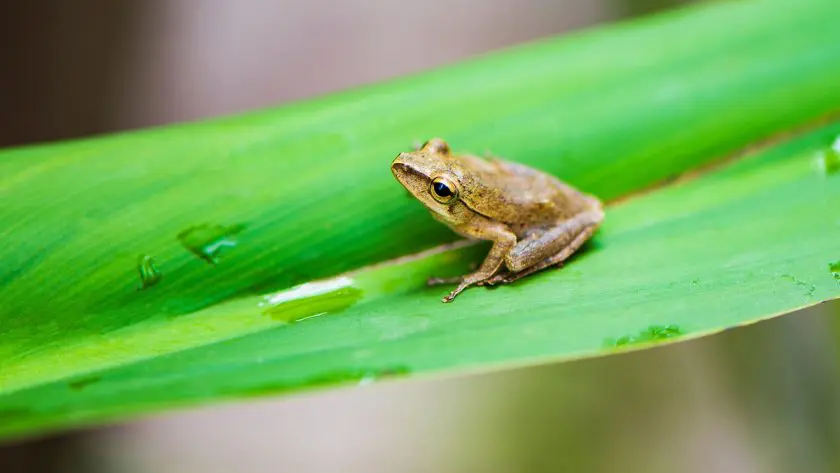
 If you’ve ever spent a night in Puerto Rico, you know the sound. That insistent, rhythmic “co-KEE, co-KEE” echoing from every corner of the island after sunset. That’s the coqui, and it’s more than just noise: it’s the heartbeat of Puerto Rico, a living reminder of what makes this island unique.
I’m going to walk you through why this tiny frog matters so much to Puerto Ricans, what visitors need to understand about it, and how it connects to something deeper about the island’s identity and heritage.
What Is a Coqui, Anyway
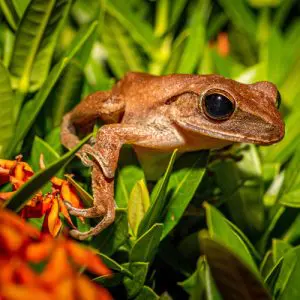
The coqui is a small tree frog, no bigger than your thumb. Its scientific name is Eleutherodactylus coqui. It’s endemic to Puerto Rico, which means you won’t find it naturally anywhere else on the planet. Only here. That matters more than you might think.
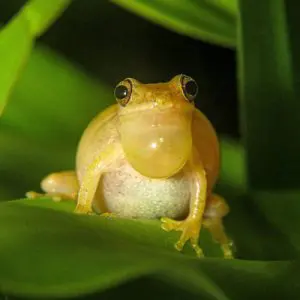 Unlike most frogs, coquis don’t need water to breed. They live in trees, on the ground, in leaf litter, and pretty much anywhere damp enough to keep them hydrated. They’re nocturnal, which is why you hear them at night. And they’re everywhere: in the mountains, the rainforests, suburban neighborhoods, even in people’s yards. You can’t escape them on this island. Most people don’t want to.
The call itself is where the name comes from. Listen closely enough, and you’ll swear it’s saying its own name: “co-KEE, co-KEE.” Males call to attract females and establish territory. On a humid night, if you’re somewhere with lots of coquis, the sound is overwhelming: thousands of them singing at once, layering their voices until it becomes this constant, pulsing backdrop to island life.
Why the Coqui Is a National Icon
 Puerto Rico has a complex history. Colonized by Spain for centuries, then ceded to the United States in 1898, the island has always grappled with questions about identity and sovereignty. The coqui represents something pure and unmistakably Borinquen: it’s indigenous to Puerto Rico, it belongs to no other place, and it’s been here long before any European arrived.
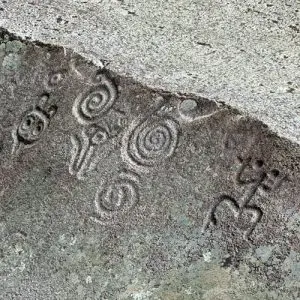
For Puerto Ricans, the coqui is connected to the Taíno heritage of the island. The Taíno were the indigenous people who lived here before Columbus. Most were wiped out by colonization and disease, but their cultural imprint remains. The name “coqui” itself likely comes from the Taíno language. When a Puerto Rican hears that call, they’re hearing an echo of the island’s oldest roots.
That’s why the coqui became the national frog in 1955. It’s not just a random designation. It’s a statement about identity. The coqui says: this is Puerto Rico. This sound, this creature, this presence: it’s ours. It’s indigenous. It’s irreplaceable.
The Coqui and Island Culture
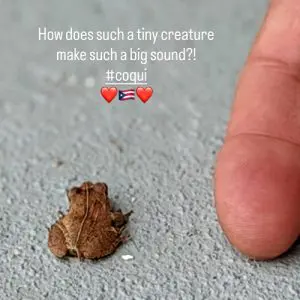 Walk through any Puerto Rican neighborhood, and you’ll see coqui imagery everywhere: on t-shirts, in art, in murals, on jewelry. Locals wear the coqui like a badge. For Puerto Ricans living on the mainland or scattered across the diaspora, hearing a coqui call or seeing its image can trigger immediate homesickness. It’s that connected to the emotional landscape of being Borinquen.
The coqui has inspired musicians, artists, and writers. There are songs about the coqui. Artists have built entire careers around coqui imagery. It shows up in poetry, in folklore, in stories passed down through families. It’s woven so deeply into Puerto Rican culture that you can’t separate the frog from the identity.
For tourists, the coqui sound is often the first marker that you’ve arrived somewhere truly different. Some visitors find it charming, a natural soundtrack to a tropical night. Others struggle with it at first, especially if they’re staying somewhere with a heavy population. But once you understand what you’re hearing, the perspective shifts. You’re listening to Puerto Rico’s own voice.
Conservation and What the Future Looks Like
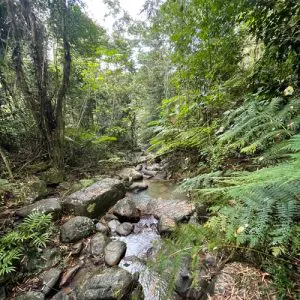 Despite their prevalence, coquis face real threats. Habitat loss from development, climate change, disease, and introduced species all put pressure on wild populations. Chytrid fungus, a pathogen that affects frogs globally, has been documented in Puerto Rico. These challenges are real, and conservation matters.
There are ongoing efforts to protect coqui habitats and monitor population health. Organizations focused on Puerto Rico’s ecosystems take the coqui seriously because it’s not just a symbol: it’s an indicator of the island’s overall environmental health. If coquis are thriving, the forest is thriving. If they’re in trouble, it’s a warning sign.
The Coqui Means Something
When you hear that “co-KEE, co-KEE” on a Puerto Rican night, you’re not just hearing a frog. You’re hearing thousands of years of island history. You’re hearing the voice of something that belongs entirely to this place, that exists nowhere else, that survived conquest and colonization and change. You’re hearing identity.
For locals, it’s home. For tourists, it’s a gateway to understanding what makes Puerto Rico distinct. For the island itself, it’s a reminder that some things are irreplaceable, that some sounds and some creatures matter beyond their ecological function: they matter to the soul of a place.
That’s the coqui. That’s why it’s the national symbol. And if you ever spend a night in Puerto Rico, you’ll understand why the moment you hear it.